
Blog & Events
At Eleazar Alliance Youth Empowerment Initiative, we’re empowering young adults to achieve financial independence and leadership. Our events and blog aim to inspire, and we need dedicated volunteers like you to help make an impact. Join us in shaping brighter futures and creating lasting change!
Back
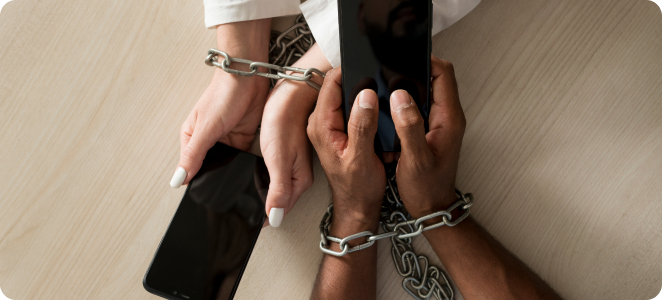
THE CORRUPTIVE NATURE OF THE DIGITAL AGE
In this 21st century, technology has become an inseparable part of our lives. It affects our way of communicating, working, and interacting with the environment. No doubt we are in the era of a digitized world, with so many benefits from the use of technology which are hard to ignore. It has changed life in many aspects including the provision of instant information and connectivity. But there are also big disadvantages that need consideration. When reaping benefits from a society dependent on technology, it is important to consider its disadvantages too as they underlie what makes up a society’s digital era. What challenges do we face and the risks associated with the use of technologies? Let's explore the dark side of the digital age! The advent of the internet has caused a global connection, the digital realm is filled with personal information. From social media profiles to the daily lifestyles, our data is continuously collected and stored. In as much as this is efficient, it also exposes us to significant vulnerabilities. Sensitive information of persons can be exposed when organizations suffer data breaches. It includes names and addresses, social security numbers, and payment details. Such breaches have occurred involving well-known companies whose customers have lost trust in them and suffered serious harm to their reputations as well. Also, there is the aspect of identity theft. Identity theft is when victims suffer from stolen personal details being misused by fraudsters. This can lead to false purchases made on behalf of the victim as well as taking out loans fraudulent manner using other people’s names with lasting monetary and legal implications. As we navigate the digital age, it's important to remain vigilant about the vulnerabilities of personal information. Information is disseminated and consumed by people on a daily basis through the digital space. The challenge attached to this is the spread of false information because this channel disseminates information like wild fire. False information about topics like health, academics politics, and so on. can lead people to make poor decisions. For example, during the time of elections twisted stories about political candidates are usually disseminated by their opponents. It gets to a point where lies will be miraged as the truth to the people. This influences people vote, affect elections and government choices. Misinformation also increases divisions amongst people, societies and even countries. People tend to share information that matches their beliefs i.e what they want others to see and hear, creating "echo chambers" on social media. In so doing, they normally create walls that hinder free expression space even when some do not hold similar opinions with themselves. Misinformation can tear families and friends apart. When people start to believe different versions of reality, it can create conflicts and reduce social harmony. The challenges faced by both individuals and corporations are majorly due to the increase in cybercrimes, online scams as well as financial frauds in the current digital scene. Cybercriminals employ various techniques to take advantage of people and businesses. One of them is phishing which involves sending forged email messages or texts that seem to originate from trusted sources. The emails usually seek personal data such as passwords or credit card numbers. Another type of cybercrime is malware, this refers to a malicious program that can be unknowingly downloaded onto one’s device by a scammer. For example, malware could track your activities online, steal sensitive information or even block access to some files unless you pay a certain amount of money (this is commonly known as ransomware). Cyberattacks can lead to financial losses from theft or ransom payments. It can also seriously damage a business's reputation. Overall, the techniques used by cybercriminals result in serious impacts on victims, the community and economy at large. In conclusion, the digital age presents numerous challenges, including exposure of sensitive data, spreading false information and cyberattacks. These issues not only result in financial losses and privacy violations but also lead to reduced trust in online platforms and information sources. Addressing these challenges requires a collaborative approach that emphasizes stronger cybersecurity measures, media literacy, and awareness of data privacy. By fostering a culture of vigilance and critical thinking, we can work towards a safer digital environment that is trusted by individuals and organizations and protects them from the numerous threats facing us today.